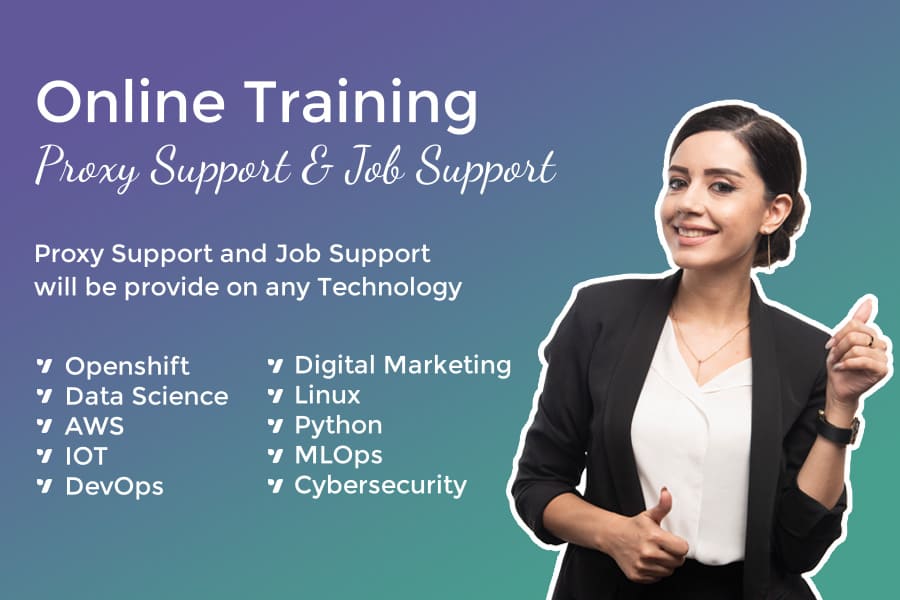

Duration
3 Months / 5 Months (Weekday/Weekend)

Format
Online

Hiring Partners
100+ companies

Max CTC upto
21L/annum
MLOps
Embark on an innovative journey into the realm of MLOps, where machine learning meets operations for seamless integration and deployment. Our MLOps courses are meticulously designed to equip you with the knowledge and skills needed to navigate the complex landscape of machine learning and operationalize models effectively.
From the fundamentals of machine learning pipelines to advanced MLOps practices, our courses cover a comprehensive range of topics. Learn to streamline the end-to-end machine learning lifecycle, from data preprocessing to model deployment and monitoring. Dive deep into key MLOps tools such as TensorFlow Extended (TFX), Kubeflow, and MLflow, gaining hands-on experience through practical labs and real-world projects.
Whether you’re a data scientist looking to bridge the gap between development and operations or an IT professional seeking to integrate machine learning into your organization’s workflows, our MLOps courses offer a structured and practical approach. Join us on this transformative learning journey and elevate your capabilities in the dynamic intersection of machine learning and operations. Stay at the forefront of innovation and become a proficient MLOps practitioner in today’s data-driven landscape.
Syllabus
Get a peek through on the entire curriculum designed that ensures 100% Job Placement Support
The Program Details
- Classification, Regression, Unsupervised learning.
- Linear and non-Linear Models: linear regression, Random Forest, SVM, k-means, logistic regression.
- Webscraping Linux & Bash Programming Git/Github Unit testing.
- Introduction to Big Data Processing
- Pyspark (MLlib)
- Databases (relational vs no-SQL)
- AWS.
- Hyper parameter optimization.
- FastAPI , Securing APIs.
- MLFlow.
- Docker Containers.
- Kubernetes
- CI/CD Pipelines.
- Jenkins
- YAML/XML
- Profiler
- Implement CICD pipeline using MLOPS
Benefits

Personalised Industry Session
Sessions by an industry expert for a small group of 10-12 learners with similiar..

High Performance Coaching(1:1)
Get a dedicated career coach to help you stay on track to achive your career

Career Mentorship Sessions(1:1)
Get personalised career landscaping from experts to chart out best oppurtunities

Interview Preparation
Support in polishing your hard skills and soft skills for interview preparation
Our learners working in






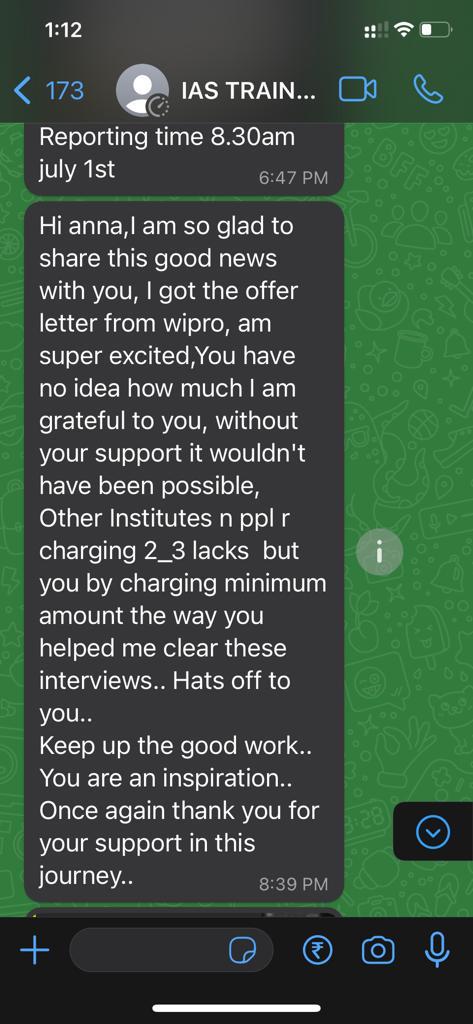
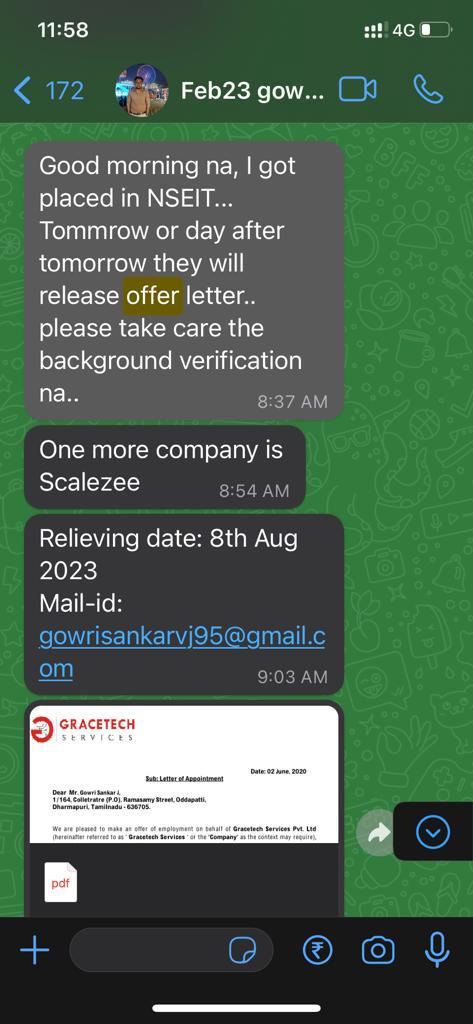
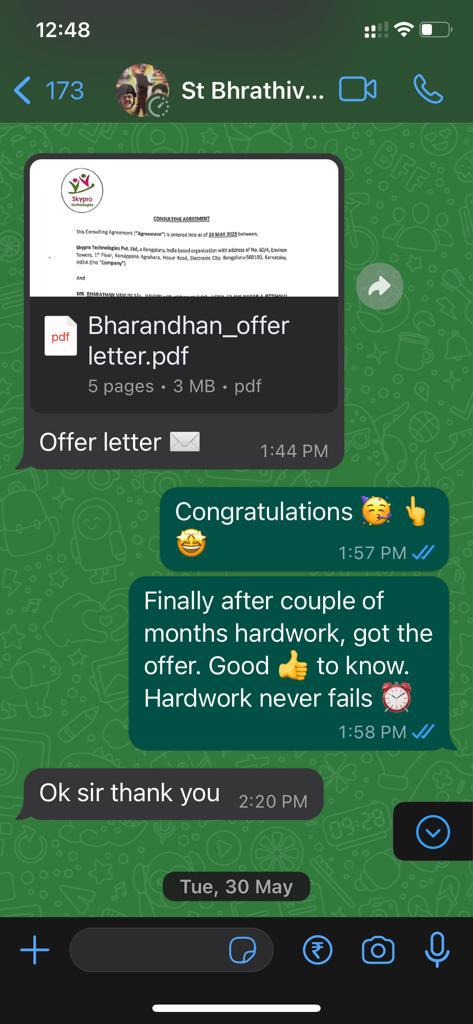
What Students
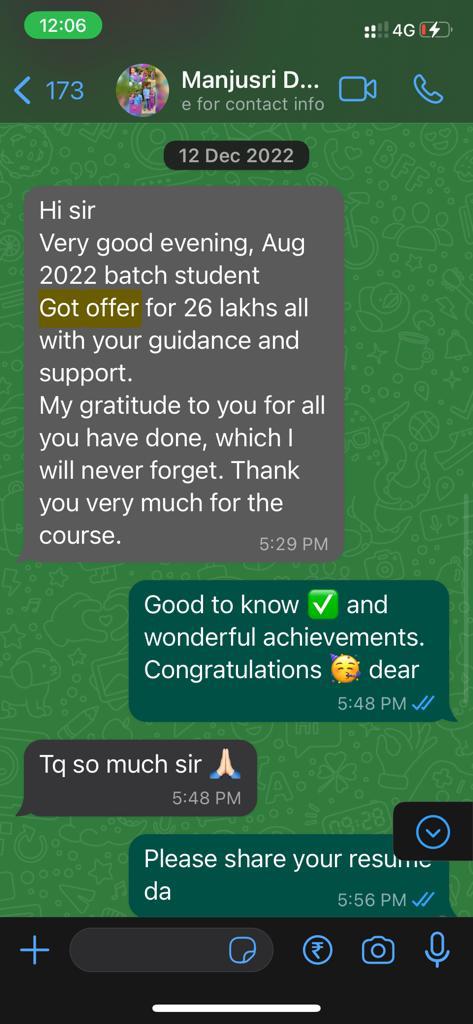
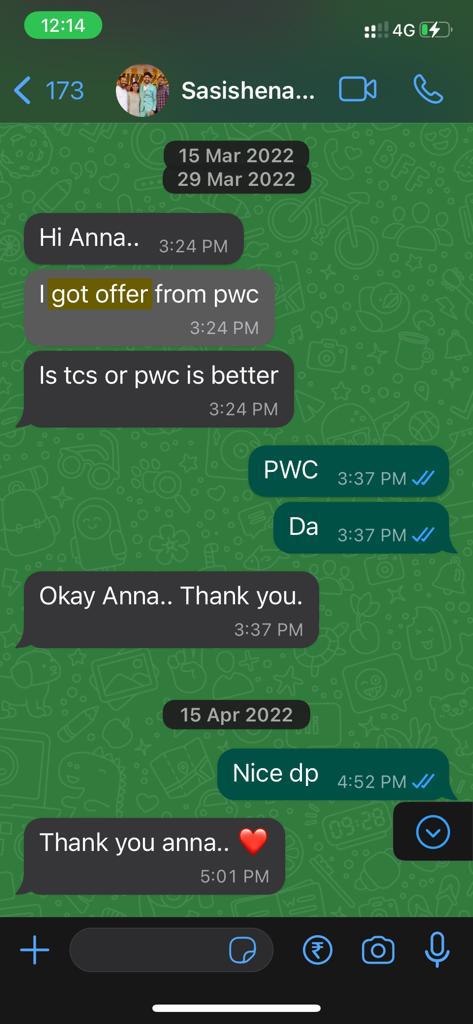
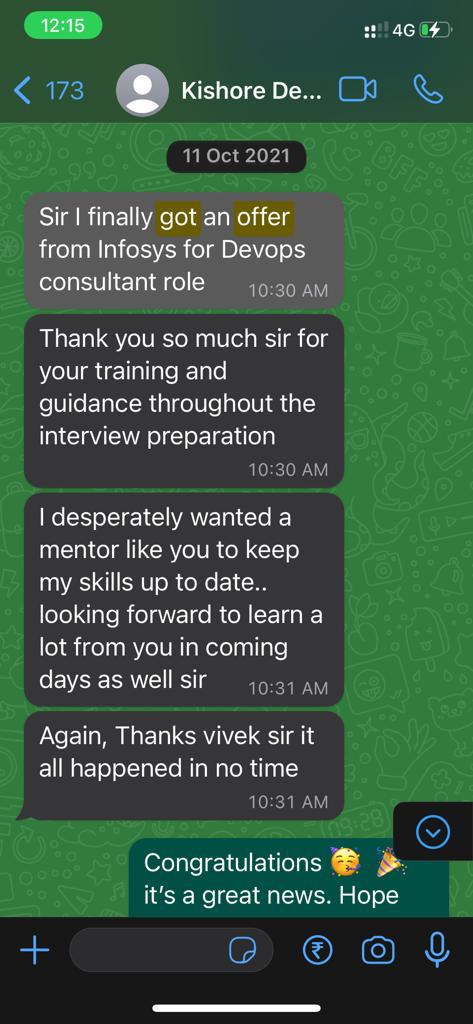
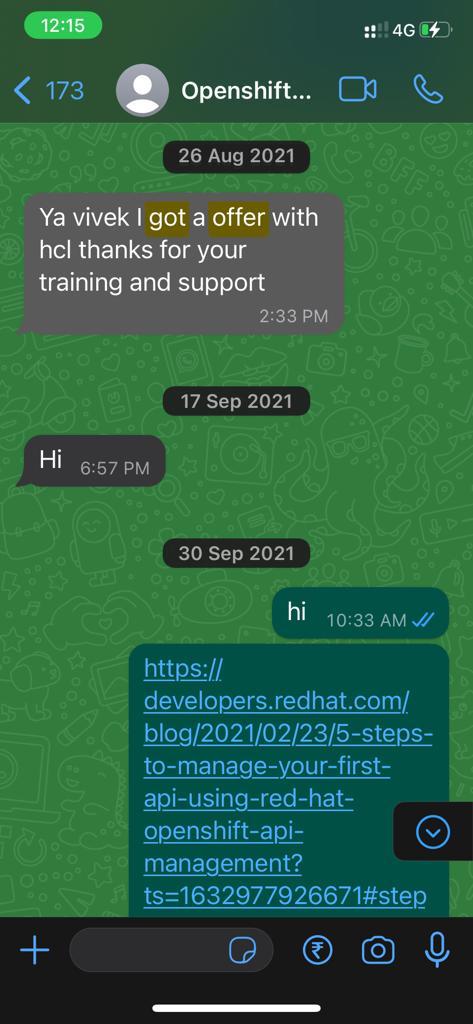
Think and Say About Redhat Openshift



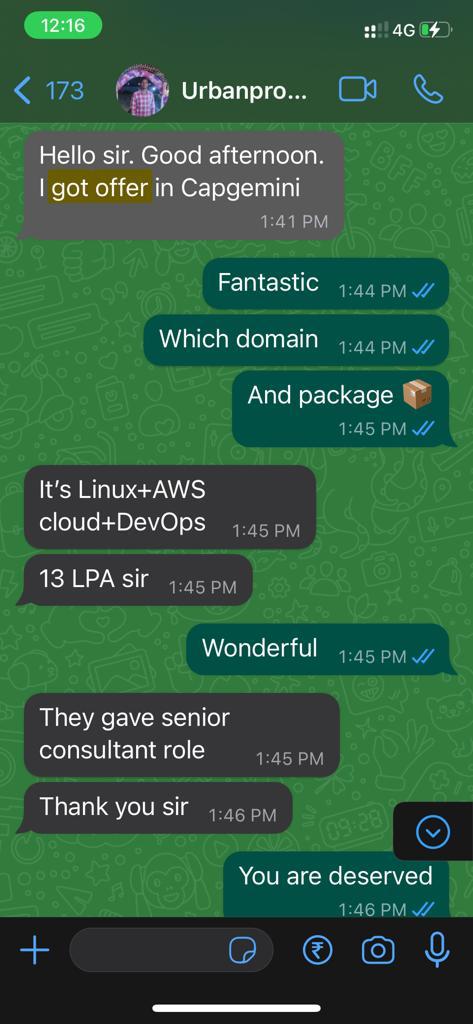
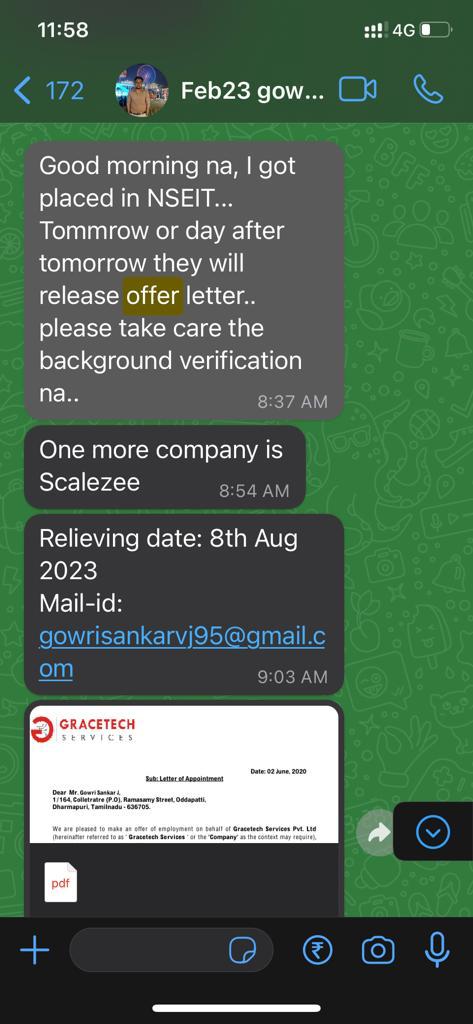


FAQ